
Google Sheets
Connect to Google Sheets. Create, edit, and analyze spreadsheets with powerful data management capabilities
Connect to Google Sheets. Create, edit, and analyze spreadsheets with powerful data management capabilities

Supports authentication: OAuth 2.0
Set up the agent connector
Section titled “Set up the agent connector”Register your Scalekit environment with the Google Sheets connector so Scalekit handles the authentication flow and token lifecycle for you. The connection name you create will be used to identify and invoke the connection programmatically. Then complete the configuration in your application as follows:
-
Set up auth redirects
-
In Scalekit dashboard, go to Agent Auth → Create Connection. Find Google Sheets and click Create.
-
Click Use your own credentials and copy the redirect URI. It looks like
https://<SCALEKIT_ENVIRONMENT_URL>/sso/v1/oauth/<CONNECTION_ID>/callback.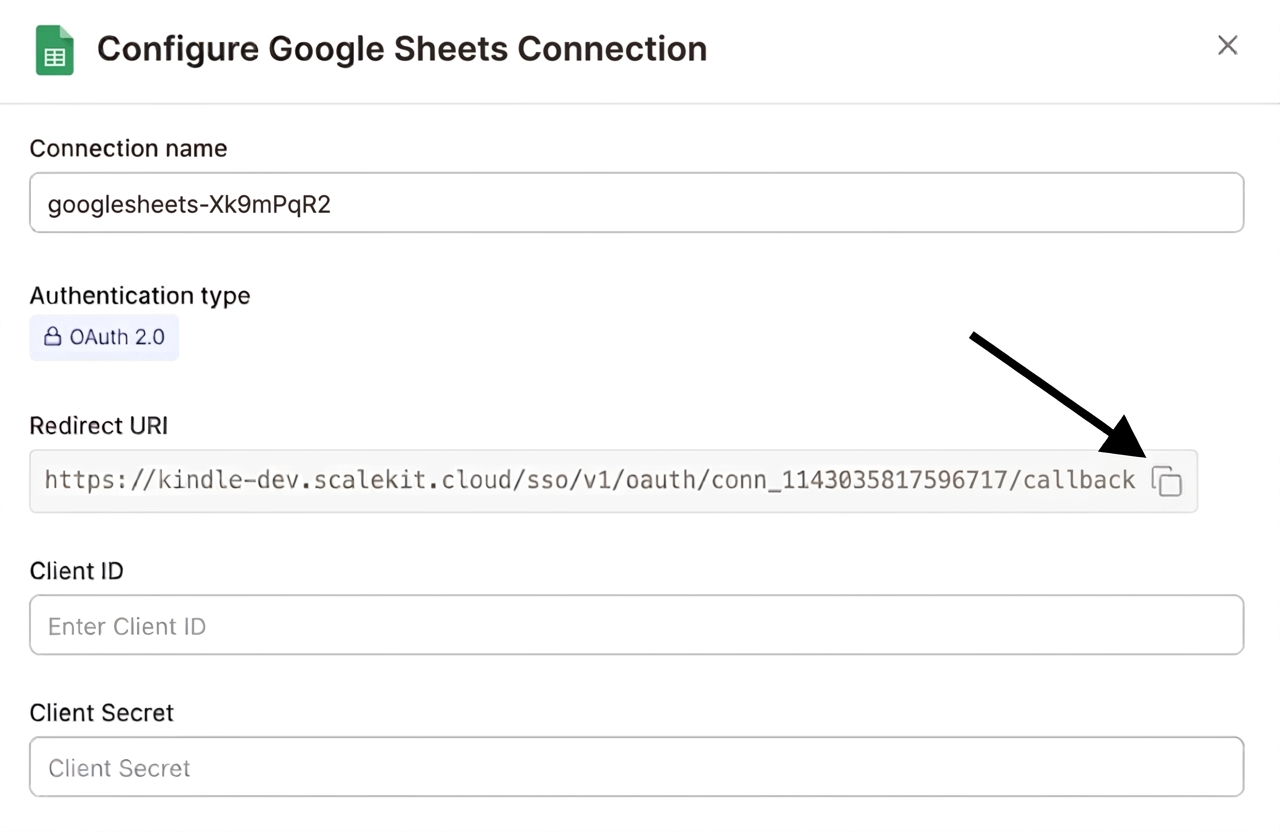
-
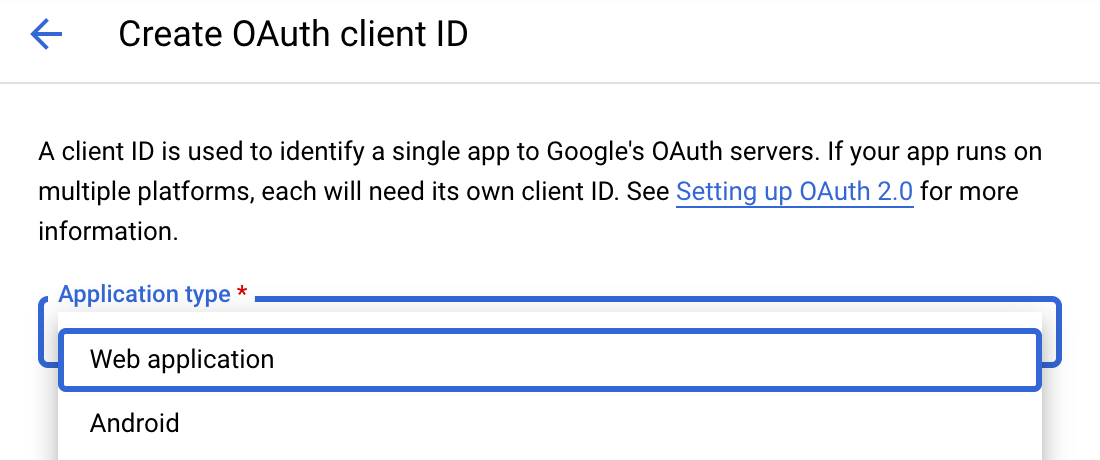
Navigate to Google Cloud Console’s APIs & Services > Credentials. Select + Create Credentials, then OAuth client ID. Choose Web application from the Application type menu.
-
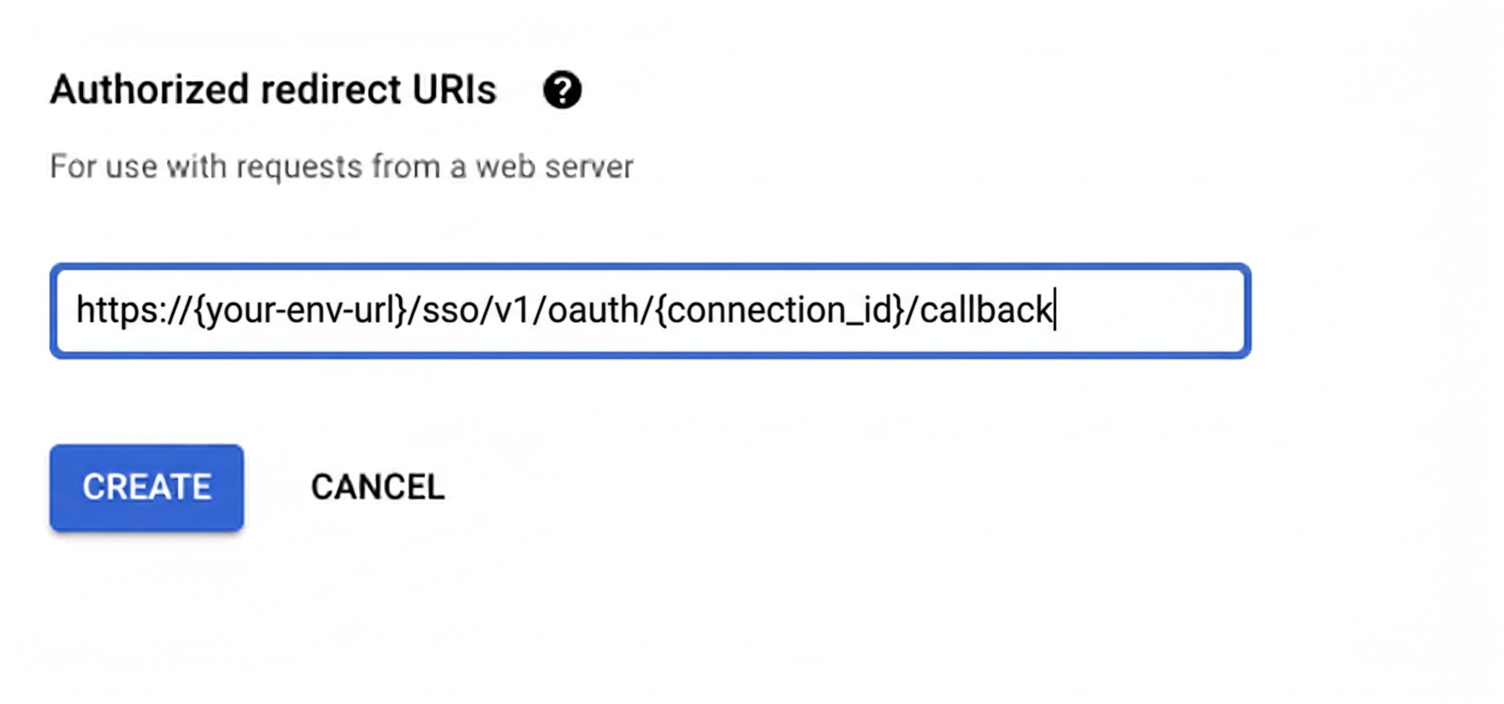
Under Authorized redirect URIs, click + Add URI, paste the redirect URI, and select Create.
-
-
Enable Google Sheets API
-
In Google Cloud Console, go to APIs & Services > Library. Search for “Google Sheets” in the API Library and select Google Sheets API.
-
Press the blue Enable button.
-
-
Get client credentials
Google provides your Client ID and Client Secret credentials after you create the OAuth client ID in step 1.
-
Add credentials in Scalekit
-
In Scalekit dashboard, go to Agent Auth → Connections and open the connection you created.
-
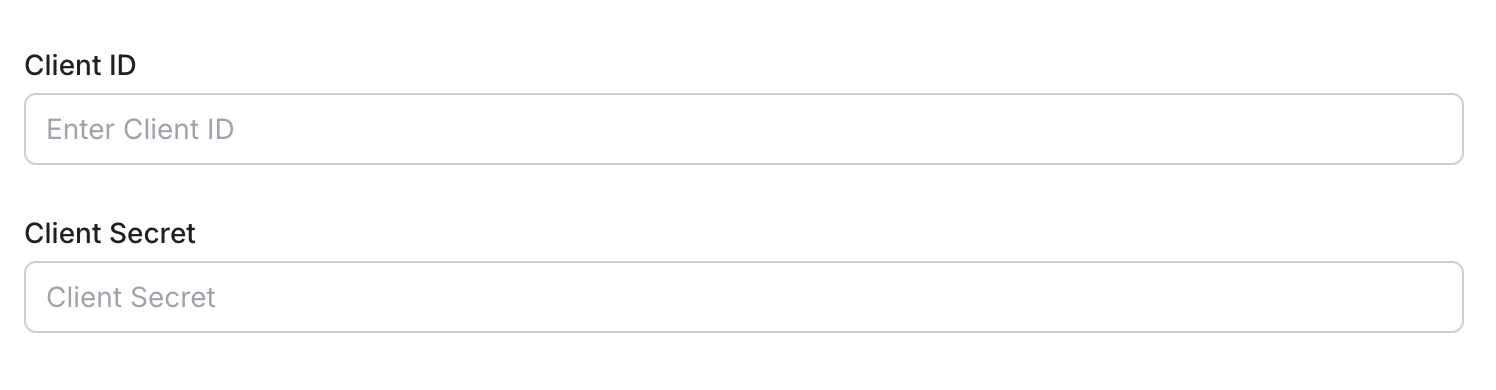
Enter your credentials:
- Client ID (from above)
- Client Secret (from above)
- Permissions (scopes — see Google API Scopes reference)
-
Click Save.
-
Connect a user’s Google Sheets account and make API calls on their behalf — Scalekit handles OAuth and token management automatically.
import scalekit.client, osfrom dotenv import load_dotenvload_dotenv()
connection_name = "google_sheets" # get your connection name from connection configurationsidentifier = "user_123" # your unique user identifier
# Get your credentials from app.scalekit.com → Developers → Settings → API Credentialsscalekit_client = scalekit.client.ScalekitClient( client_id=os.getenv("SCALEKIT_CLIENT_ID"), client_secret=os.getenv("SCALEKIT_CLIENT_SECRET"), env_url=os.getenv("SCALEKIT_ENV_URL"),)actions = scalekit_client.actions
# Authenticate the userlink_response = actions.get_authorization_link( connection_name=connection_name, identifier=identifier)# present this link to your user for authorization, or click it yourself for testingprint("🔗 Authorize Google Sheets:", link_response.link)input("Press Enter after authorizing...")
# Make a request via Scalekit proxyresult = actions.request( connection_name=connection_name, identifier=identifier, path="/v4/spreadsheets", method="GET")print(result)googlesheets_create_spreadsheet
Section titled “googlesheets_create_spreadsheet”Create a new Google Sheets spreadsheet with an optional title and initial sheet configuration. Returns the new spreadsheet ID and metadata.
| Name | Type | Required | Description |
|---|---|---|---|
locale | string | No | Locale of the spreadsheet |
schema_version | string | No | Optional schema version to use for tool execution |
sheets | array<object> | No | Initial sheets to include in the spreadsheet |
time_zone | string | No | Time zone for the spreadsheet |
title | string | No | Title of the new spreadsheet |
tool_version | string | No | Optional tool version to use for execution |
googlesheets_get_values
Section titled “googlesheets_get_values”Returns only the cell values from a specific range in a Google Sheet — no metadata, no formatting, just the data. For full spreadsheet metadata and formatting, use googlesheets_read_spreadsheet instead.
| Name | Type | Required | Description |
|---|---|---|---|
major_dimension | string | No | Whether values are returned by rows or columns |
range | string | Yes | Cell range to read in A1 notation |
schema_version | string | No | Optional schema version to use for tool execution |
spreadsheet_id | string | Yes | The ID of the Google Sheet |
tool_version | string | No | Optional tool version to use for execution |
value_render_option | string | No | How values should be rendered in the response |
googlesheets_read_spreadsheet
Section titled “googlesheets_read_spreadsheet”Returns everything about a spreadsheet — including spreadsheet metadata, sheet properties, cell values, formatting, themes, and pixel sizes. If you only need cell values, use googlesheets_get_values instead.
| Name | Type | Required | Description |
|---|---|---|---|
include_grid_data | boolean | No | Include cell data in the response |
ranges | string | No | Cell range to read in A1 notation |
schema_version | string | No | Optional schema version to use for tool execution |
spreadsheet_id | string | Yes | The ID of the Google Sheet to read |
tool_version | string | No | Optional tool version to use for execution |
googlesheets_update_values
Section titled “googlesheets_update_values”Update cell values in a specific range of a Google Sheet. Supports writing single cells or multiple rows and columns at once.
| Name | Type | Required | Description |
|---|---|---|---|
include_values_in_response | boolean | No | Return the updated cell values in the response |
range | string | Yes | Cell range to update in A1 notation |
schema_version | string | No | Optional schema version to use for tool execution |
spreadsheet_id | string | Yes | The ID of the Google Sheet to update |
tool_version | string | No | Optional tool version to use for execution |
value_input_option | string | No | How input values should be interpreted |
values | array<array> | Yes | 2D array of values to write to the range |